Skip to content
When it comes to ensuring product quality, durability, and compliance with industry standards, a test chamber is an essential piece of equipment. From simulating harsh environmental conditions to measuring how materials respond under stress, test chambers give manufacturers, researchers, and quality control teams the insights they need to deliver safe and reliable products.
In this guide, we’ll break down the different types of test chambers, their common uses, and how to select the right one for your business needs.
What is a Test Chamber?
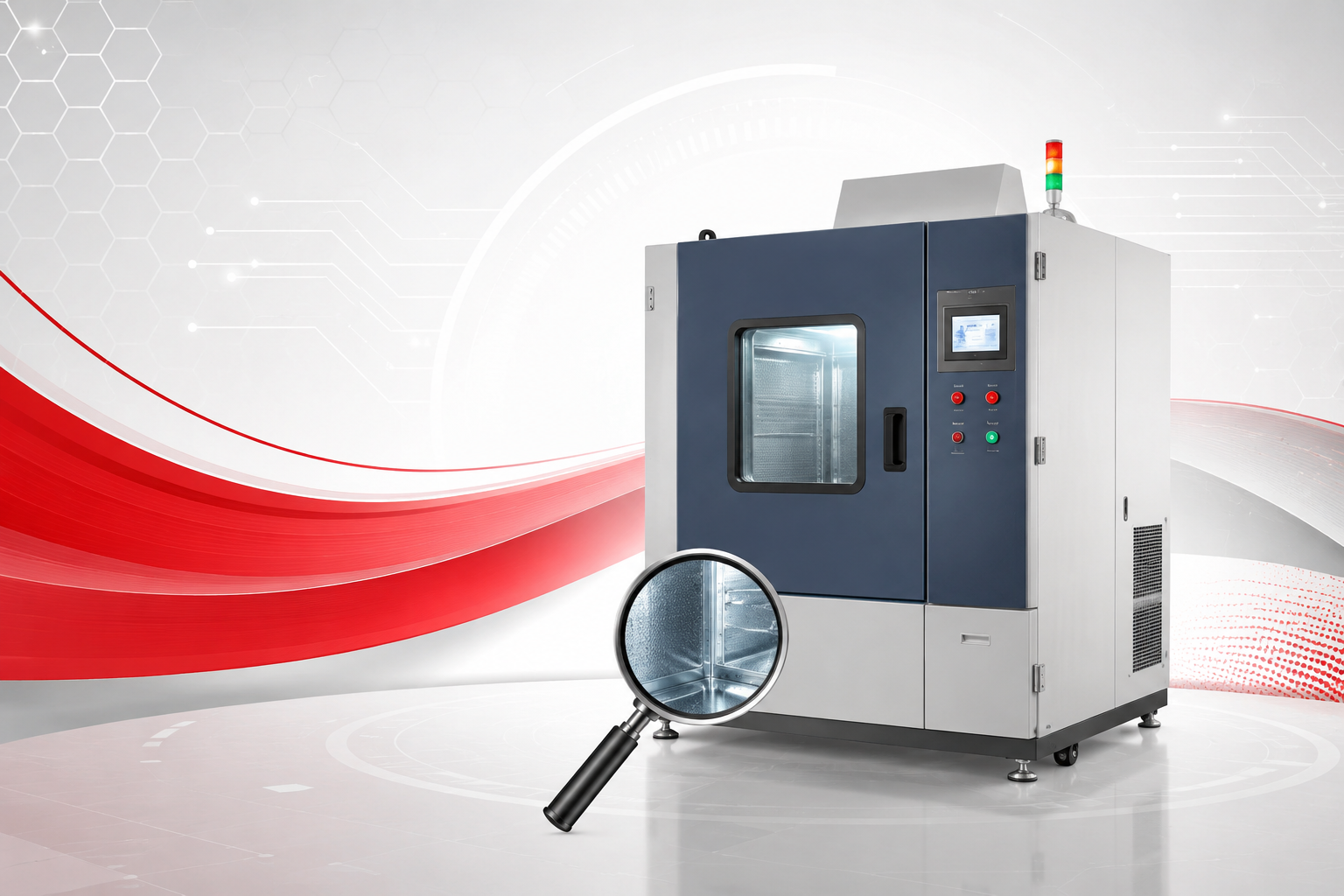
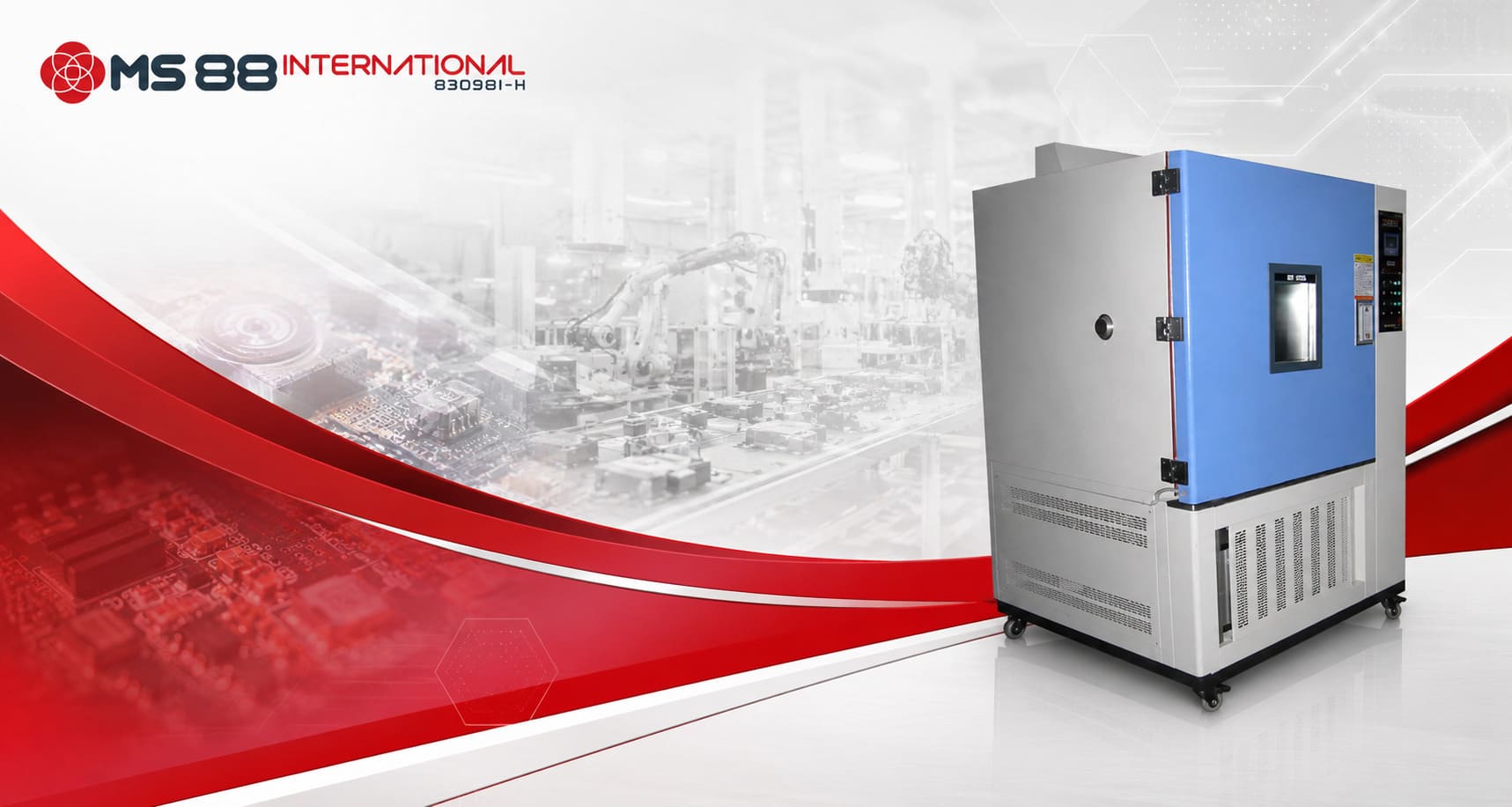
A test chamber is a controlled environment unit designed to simulate specific conditions such as temperature, humidity, vibration, or even UV exposure. Test chambers are also known as environmental test chambers, environmental chambers, and climate chambers (including climatic chambers), each intended for specific types of environmental testing.
These chambers are capable of simulating combined environmental factors such as temperature, humidity, and light exposure. They are used to assess product performance and reliability by exposing samples, prototypes, and industrial products to controlled conditions, ensuring that each subject is tested for durability and compliance.
By recreating these environments, your businesses can:
- Predict product lifespan.
- Identify weaknesses early in development.
- Meet strict international standards and certifications.
- Improve consumer confidence with proven product reliability.
- Support research and development by allowing prototypes and samples to be subjected to environmental testing.
Environmental test chambers are used to conduct processes such as thermal shock testing, humidity tests, and climatic chamber testing, and these tests are performed to meet standards like MIL-STD. The operation of a test chamber relies on advanced technology, including precise heating, cooling, and air distribution systems. The intended use and available space within the chamber are important considerations for effective testing.
Common Types of Test Chambers
There are various types of test chambers available, including climate chambers, climatic chambers, environmental test chambers, and environmental chambers, which are among the most common. These chambers are capable of simulating combined environmental factors such as temperature, humidity, and light, and are used to test samples, prototypes, and industrial products to assess product performance.
Essential for environmental testing and research, these chambers are designed with advanced technology to ensure precise operation, including heating, cooling, and uniform air distribution. The intended use, available space, and compliance with standards such as MIL-STD and security protocols are important considerations when selecting a chamber.
These chambers are used to conduct and perform processes such as thermal shock testing, humidity tests, and climatic chamber testing, subjecting products to extreme temperature variations. The choice of chamber depends on the type of sample or prototype being tested and the specific processes required.

1. Temperature and Humidity Test Chamber
- Purpose: Simulates extreme hot and cold conditions using advanced heating and cooling systems to replicate extreme temperature variations.
- Uses: Electronics, automotive, aerospace, and materials testing.
- Example: The chamber is capable of ensuring uniform temperature distribution for accurate testing of product performance. A sample, such as a smartphone, is subjected to these conditions to assess its reliability, for example, whether it can withstand high heat during charging or freezing cold during transport.
Also available as Walk-In Temperature and Humidity Test Chamber
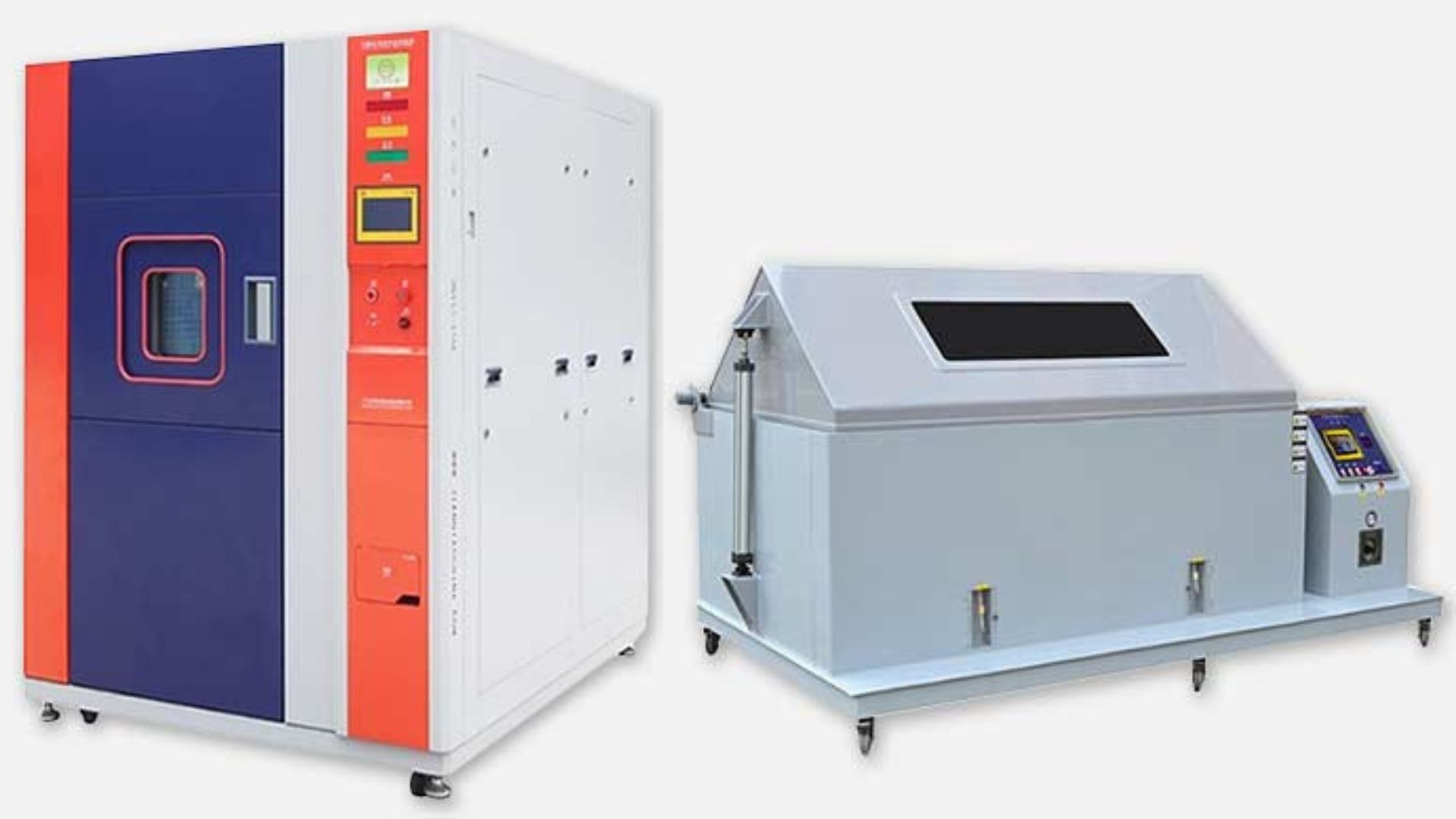
2. Thermal Shock Test Chamber
- Purpose: Exposes products to rapid temperature changes; thermal shock testing is performed to evaluate how samples withstand these rapid transitions and to verify their physical integrity and reliability.
- Uses: Aerospace, defense, and semiconductor industries.
Example: A sample is transferred between hot and cold zones in a thermal shock chamber to assess product performance and detect issues like cracking or delamination.


3. Salt Spray Test Chamber
- Purpose: Creates a corrosive environment with salt mist.
- Uses: Marine, automotive, construction, and coatings industries.
Example: A sample is exposed to a corrosive salt mist to evaluate product performance and assess how well protective coatings resist rust.
4. UV Aging Test Chamber
- Purpose: Simulates sunlight, rain, and other weather elements.
- Uses: Plastics, paints, textiles, construction materials.
Example: A sample of outdoor furniture is exposed to simulated sunlight and weather elements in the chamber to assess product performance, such as colour retention and strength after prolonged testing.
You can learn more about MS-88 International’s full range of products here.
Environmental Simulation in Test Chambers
Environmental simulation in test chambers is a vital process that allows manufacturers to recreate a wide range of real-world environmental conditions within a controlled setting.
By using environmental test chambers, companies can expose their products to extreme temperatures, fluctuating humidity, and corrosive atmospheres to evaluate how they perform under environmental stresses.
This simulation is especially important during the development phase, as it helps identify potential weaknesses and ensures that products are robust enough to meet international standards.
Through environmental simulation, manufacturers can verify that their products maintain quality and reliability, even when subjected to harsh environments. This process not only supports compliance with global regulations but also enhances product safety and performance before reaching the market.
Test Chamber Designs and Configurations
Test chambers come in a variety of designs and configurations to suit different testing requirements and industries. Climatic chambers, thermal shock chambers, and humidity chambers are just a few examples, each engineered to simulate specific environmental conditions, such as extreme temperatures, rapid temperature changes, and precise humidity levels.
Many test chambers offer advanced features like airflow control, temperature and humidity regulation, and corrosion testing capabilities, allowing for highly customised testing scenarios. The choice of chamber design depends on the type of product being tested, like medical devices and electronic devices, for instance, often require specialised chambers to replicate the exact environmental conditions they will encounter during use
By selecting the right configuration, manufacturers can ensure their products are thoroughly tested and ready to withstand the expected environmental challenges.
Key Uses of Test Chambers in Diverse Industries
Humidity chambers are widely used across industries in Malaysia, reflecting this country’s strong manufacturing and research landscape:

Test chambers are crucial across multiple industries in Malaysia and worldwide. They are widely used for environmental testing of industrial products to ensure optimal product performance. Their applications include:
- Electronics: Preventing device failure due to heat, moisture, or vibration. Samples from the electronics industry are tested to verify durability and compliance.
- Automotive: Ensuring parts perform under real driving conditions. Automotive samples undergo environmental testing to confirm product performance and reliability.
- Pharmaceuticals: Checking the stability of medicines under varying climates. Samples are subjected to environmental testing to ensure compliance with industry standards.
- Construction: Testing building materials against corrosion, UV damage, and temperature shifts. Construction samples are evaluated for durability and product performance.
- Aerospace: Validating that aircraft components withstand altitude, pressure, and weather extremes. Aerospace samples are tested to ensure reliability and compliance.
By using the right test chamber, businesses not only reduce risks but also save costs by catching potential failures before products hit the market.
Testing Procedures in Test Chambers
Testing procedures in test chambers are carefully designed to replicate the environmental conditions a product will face during its lifecycle. The process begins with selecting the appropriate test chamber based on the product and the specific environmental factors to be simulated, such as temperature, humidity, or airflow.
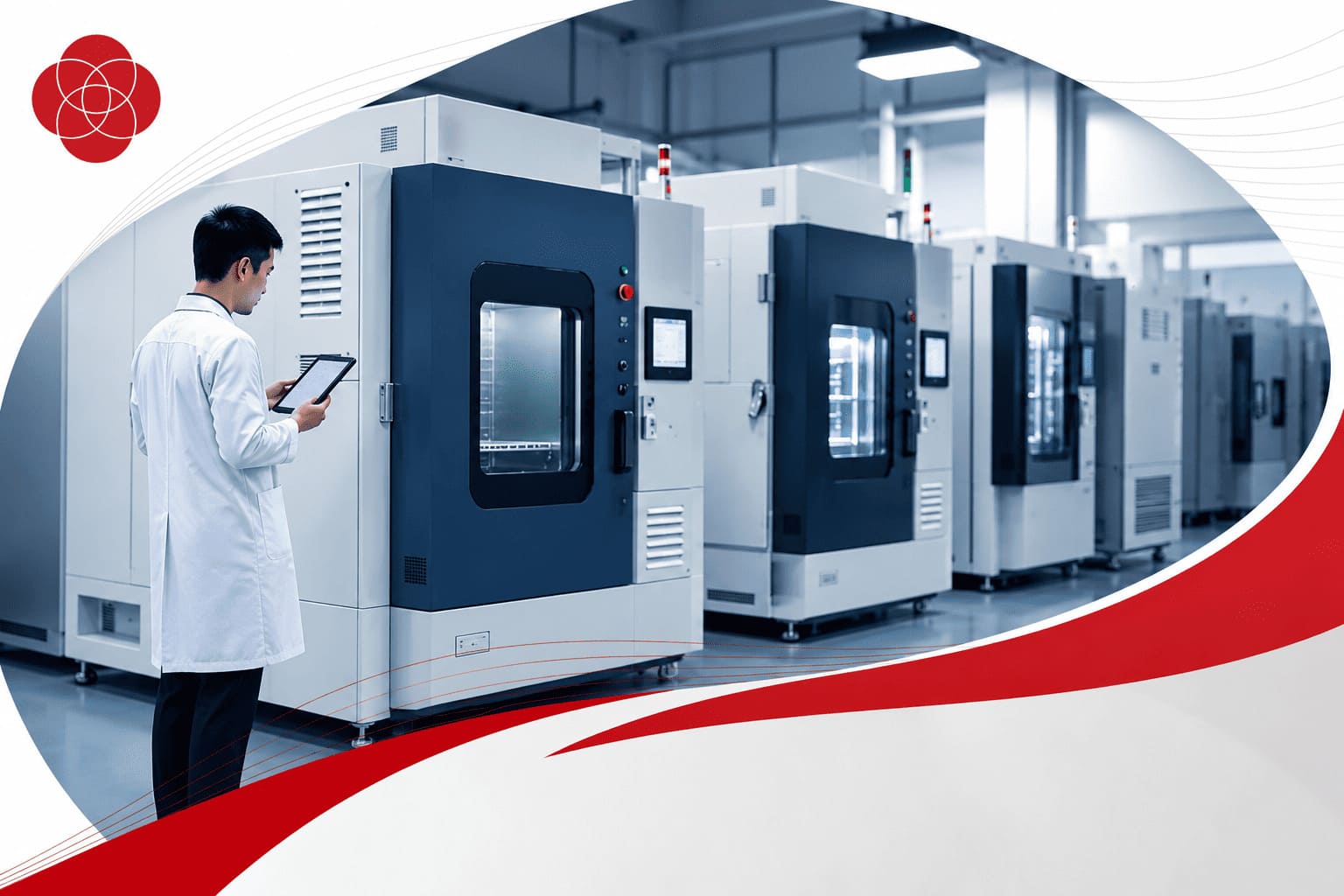
Once the chamber is set up with the required parameters, the product is placed inside and subjected to controlled cycles of extreme temperatures, humidity levels, or corrosive environments. Throughout the test, technicians monitor and record the product’s performance, looking for any signs of failure or degradation.
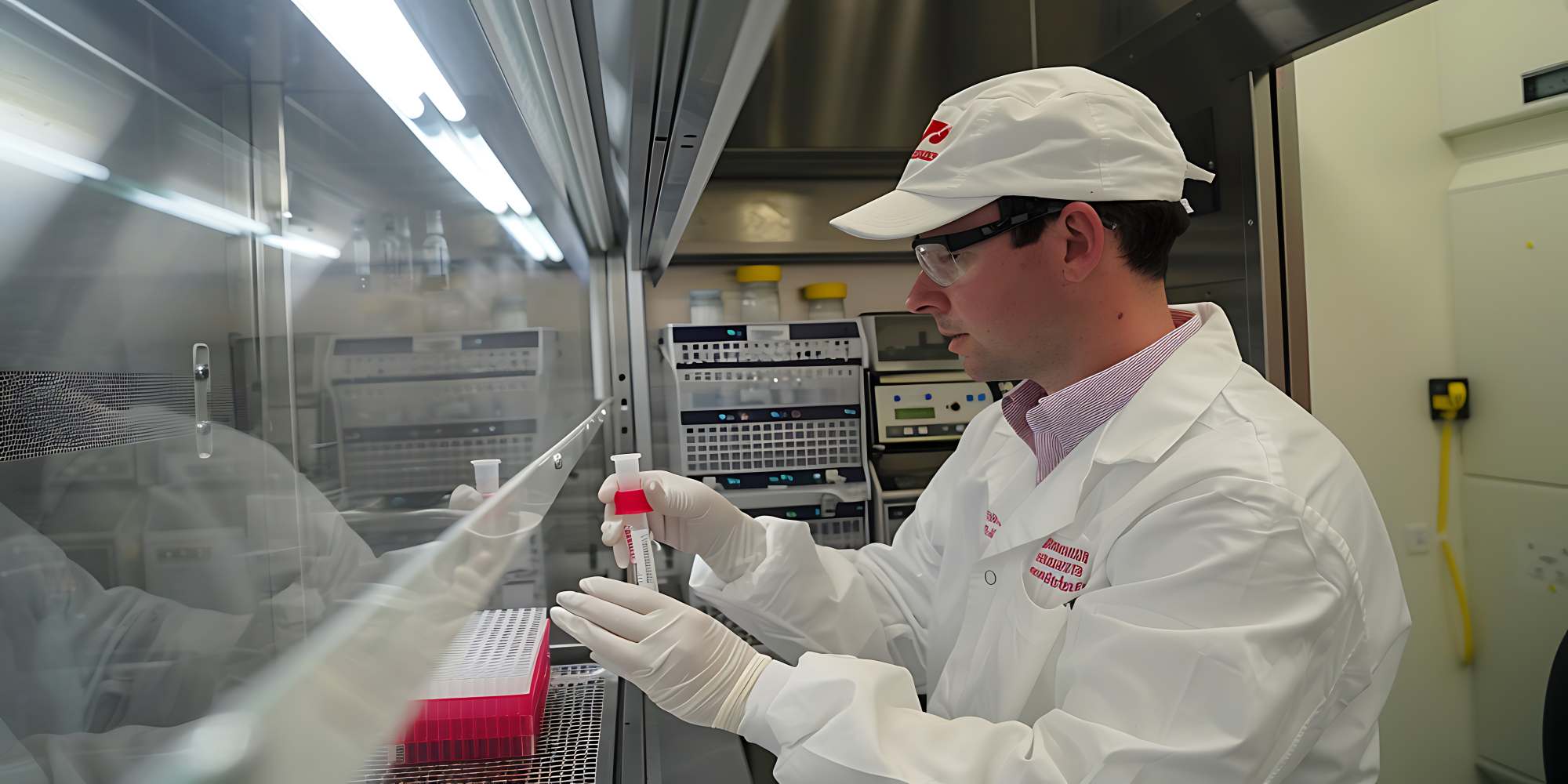
These procedures are essential for verifying that products can operate reliably under expected conditions, and they provide valuable data to improve design and ensure compliance with industry standards. Skilled technicians play a key role in conducting these tests and interpreting the results to support product development and quality assurance.
How to Choose the Right Test Chamber

Investing in a test chamber can feel overwhelming, especially with so many models and features available. The intended application, available space inside the chamber, and technology features should guide your selection. Here are some key factors to consider:
1. Define Your Testing Needs
Start by identifying the intended environmental factors your product will face, such as temperature, humidity, vibration, UV, or salt spray.
2. Chamber Size and Capacity
The available space inside the chamber is essential for accommodating your samples and ensuring accurate testing. Choose a chamber that fits both your immediate and future testing needs. A chamber with insufficient space may limit your projects, while one with excessive space could waste energy and resources.
3. Control Range and Precision
Advanced technology enables precise control of testing parameters in chambers, allowing for accurate regulation of temperature, humidity, or other variables. This ensures reliable, repeatable results and supports advanced environmental testing and product performance evaluation.
4. Compliance and Standards
Ensure your chosen test chamber complies with international standards such as ISO, ASTM, IEC, or MIL-STD, especially if you plan to export products or operate in industries where compliance with MIL-STD, developed by the U.S. Department of Defense, is crucial for product reliability and security.
5. Maintenance and Support
Work with a trusted supplier that provides not just the chamber, but also after-sales support, calibration, and maintenance services. This ensures long-term reliability and performance.
6. Budget Considerations
While cost is a factor, the cheapest option may not provide the durability or features you need. Consider the value over the lifespan of the chamber.
Benefits of Test Chambers
Test chambers offer significant benefits to manufacturers by providing a reliable and controlled environment for product testing. One of the primary advantages is the ability to identify and address potential weaknesses early in the development process, which leads to improved product quality and reliability.
By simulating a wide range of environmental conditions, test chambers help ensure that products meet international standards, making them suitable for global markets.
This controlled testing process also reduces development costs and time, as it eliminates the need for extensive field testing and minimises the risk of product failure after launch. Ultimately, test chambers are essential tools that support manufacturers in delivering high-quality, dependable products that perform as expected in any environment.
Why Work with MS-88 International?
At MS-88 International, we specialise in providing high-quality test chamber solutions tailored to diverse industries. With years of experience and a commitment to reliability, we help businesses find the right equipment that balances precision, durability, and cost-effectiveness.
From small bench-top units to large walk-in test chambers, MS-88 International offers a range of solutions backed by expert consultation and reliable after-sales service.
Explore Your Options
A test chamber is a critical investment in your product’s reliability and your company’s reputation. By understanding the different types, their uses, and how to choose wisely, you can ensure your products meet the toughest challenges head-on.
If you’re ready to explore your options, get in touch with us. We’re ready to help you find the right test chamber for your testing needs.
Frequently Asked Questions (FAQ)
1. What industries use test chambers?
Test chambers are used in industries such as electronics, automotive, aerospace, pharmaceuticals, construction, and coatings. They are essential for testing reliability and compliance under simulated real-world conditions.
2. How much does a test chamber cost in Malaysia?
The price of a test chamber in Malaysia varies depending on size, features, and type. Smaller bench-top chambers may cost tens of thousands of ringgit, while larger walk-in models can reach several hundred thousand.
3. What is the lifespan of a test chamber?
With proper maintenance and calibration, a quality test chamber can last 10–15 years or longer. Regular servicing is key to extending its lifespan.
4. Can I customise a test chamber for specific needs?
Yes, many manufacturers and suppliers, including MS-88 International, offer custom-built test chambers designed to meet unique testing requirements.
5. Do test chambers comply with international standards?
Most test chambers are designed to meet standards like ISO, IEC, and ASTM. Always confirm compliance before purchasing to ensure global acceptance of your test results.