Skip to content
In today’s competitive market, consumers and regulators expect products to withstand a variety of environmental conditions. From scorching heat and high humidity to freezing cold or corrosive salt spray, your products are expected to be able to withstand it all. This is where an environmental chamber Malaysia solution comes in.
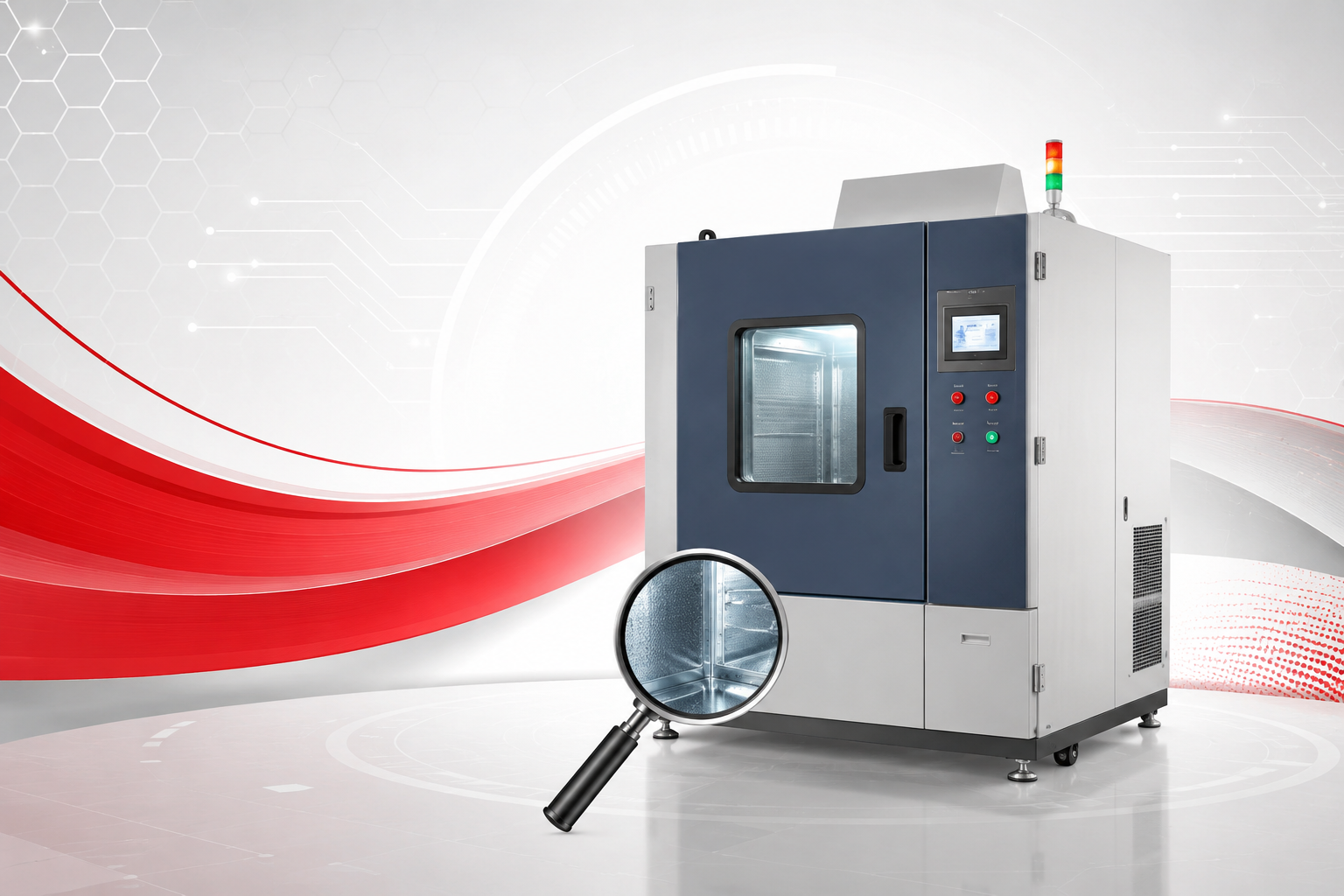
An environmental chamber is designed to simulate real-world conditions within a controlled laboratory setting, allowing manufacturers and researchers to test the limits of their products. In Malaysia, industries ranging from electronics to pharmaceuticals rely on these chambers for quality assurance, compliance, and innovation.
What is an Environmental Chamber?
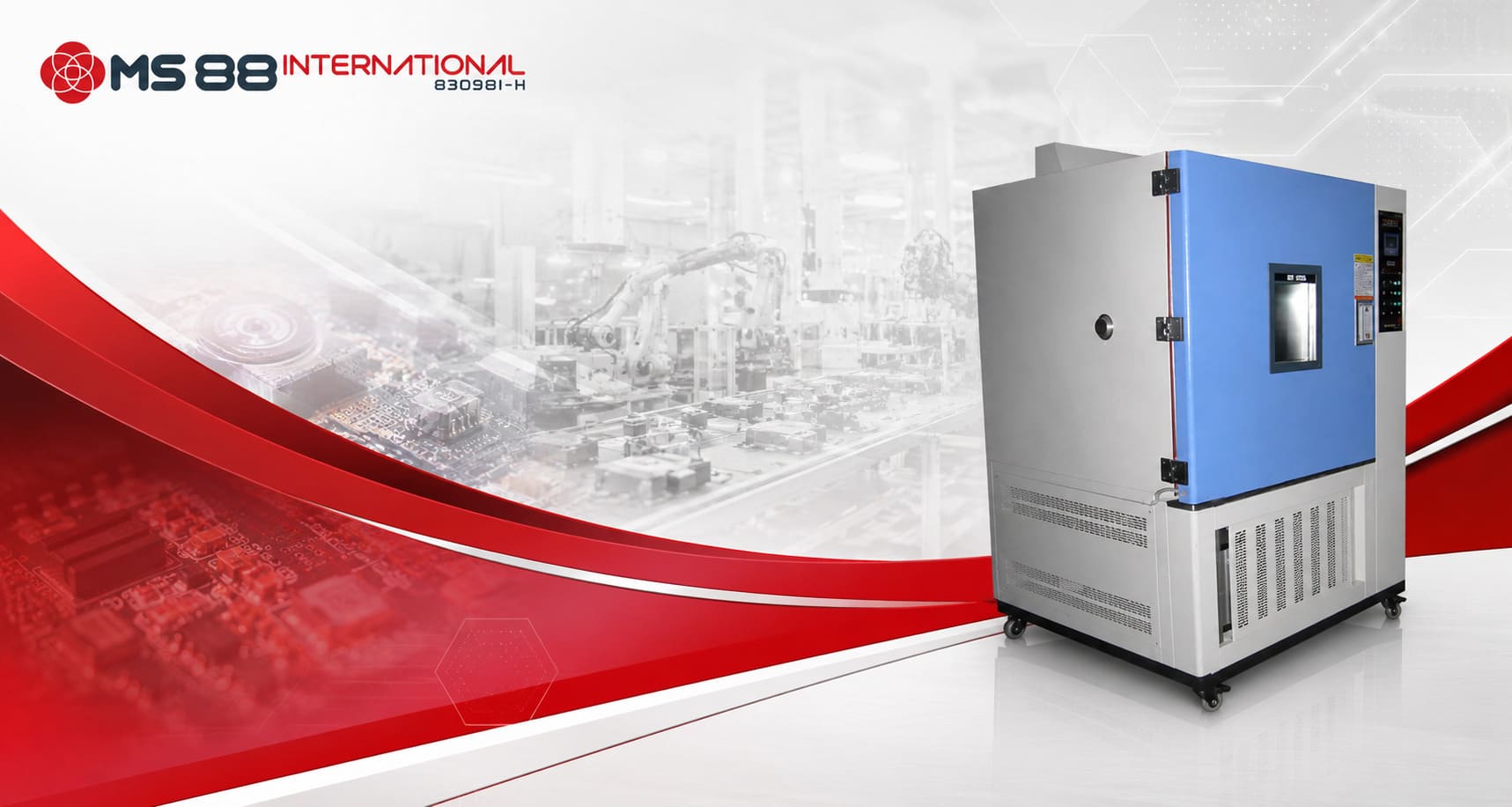
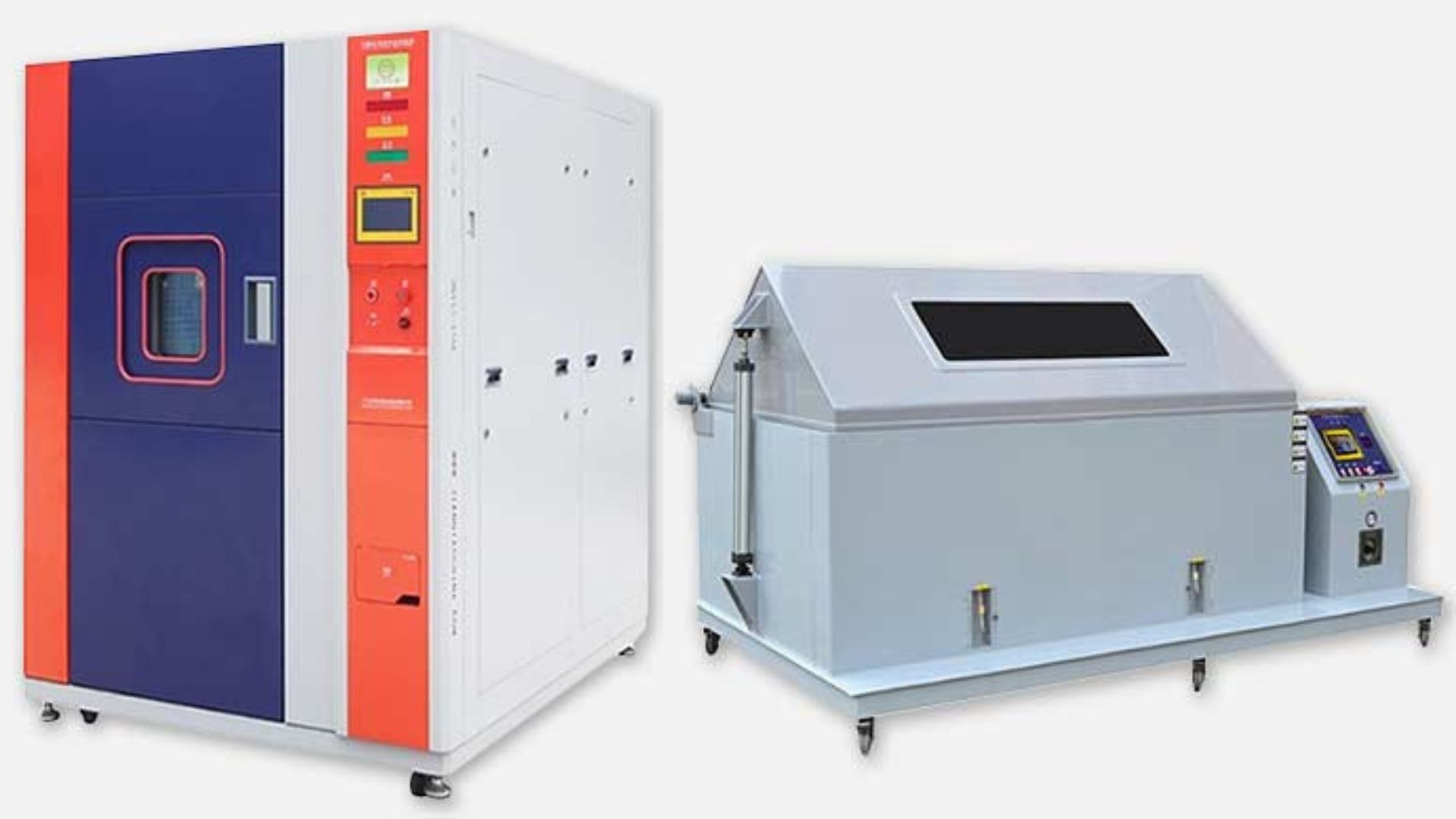
An environmental chamber is a type of testing equipment that recreates specific environmental conditions to evaluate how a product performs under stress. Environmental chambers are also known as climate chambers, climatic chambers, temperature chambers, and humidity chambers, each designed for specific environmental simulation needs. These conditions may include:
- Temperature (high or low extremes)
- Humidity levels
- Vibration
- UV exposure
- Salt spray or corrosion
- Pressure variations
- Thermal shock
These chambers can be customised to meet specific testing requirements and are suitable for a wide range of industries and applications.
By testing under these controlled variables, companies can predict product lifespans, identify weaknesses, and meet international quality standards and comply with relevant industry standards.
Components and Functions of Environmental Chambers
Environmental test chambers are sophisticated pieces of equipment designed to simulate a wide variety of environmental conditions, ensuring that products can withstand the stresses they may encounter in real-world use. At the heart of every environmental chamber are several key components that work together to create precise and repeatable test environments.
The temperature control system is a core component, allowing the chamber to maintain a consistent temperature across a full range, from deep cold to high heat, typically spanning from -40°C up to +150°C. This enables manufacturers to test how their products respond to both extreme cold and intense heat, ensuring reliability in any climate.
Equally important is the humidity control system, which regulates the moisture level inside the chamber. With the ability to maintain relative humidity from as low as 20% up to 98%, environmental chambers can simulate everything from arid deserts to tropical rainforests. This is especially critical for testing electronic components, aerospace parts, and other products sensitive to moisture.
For more advanced testing, the atmospheric control system allows simulation of various atmospheric conditions, such as changes in pressure, altitude, or even specific gas compositions. This is particularly valuable for aerospace and automotive industries, where products must perform reliably at different altitudes and under varying atmospheric pressures.
Additional features like adjustable shelves, trays, and cable ports make it easy to configure the chamber for different products and test setups. These components ensure that environmental test chambers can accommodate a wide range of product sizes and testing requirements.
By leveraging these integrated systems, environmental chambers can simulate real-world environmental conditions, conduct rigorous stress testing, and analyse product performance under a variety of stresses. This comprehensive approach helps manufacturers identify potential weaknesses, improve product reliability, and ensure compliance with industry standards before products reach the market.
Why Environmental Chambers Matter in Malaysia
Malaysia’s tropical climate (with high humidity, frequent rainfall, and fluctuating temperatures) presents unique challenges for products and materials. Electronics, packaging, automotive components, and even medical devices must be designed to endure these conditions.
This makes environmental chamber testing especially critical for businesses in Malaysia. By simulating the local environment, climate chambers are particularly suitable for replicating Malaysia’s unique temperature and humidity conditions, ensuring businesses can verify their products don’t just pass in theory, but perform in practice for Malaysian consumers.
This also applies to other countries where their products are meant to withstand the weather in the country of their target market as well.
Key Applications Across Industries
Environmental chambers are versatile tools, used across a wide range of industries in Malaysia. Let’s take a look at some of the most common applications: Environmental simulation using these chambers enables accurate testing across diverse industries.

1. Electronics and Semiconductors
- Why it matters: Electronic devices are sensitive to heat, humidity, and vibration.
- Testing focus: Ensuring chips, circuit boards, and devices perform reliably in Malaysia’s humid climate.
Outcome: Reduced risk of overheating, short circuits, and early product failure.
2. Automotive and Aerospace
- Why it matters: Vehicles and aircraft components must withstand extreme temperatures, vibrations, and weather exposure.
- Testing focus: Durability of engines, batteries, coatings, and safety-critical parts.
- Outcome: Improved safety, longer lifespan, and compliance with international standards.


3. Pharmaceuticals and Healthcare
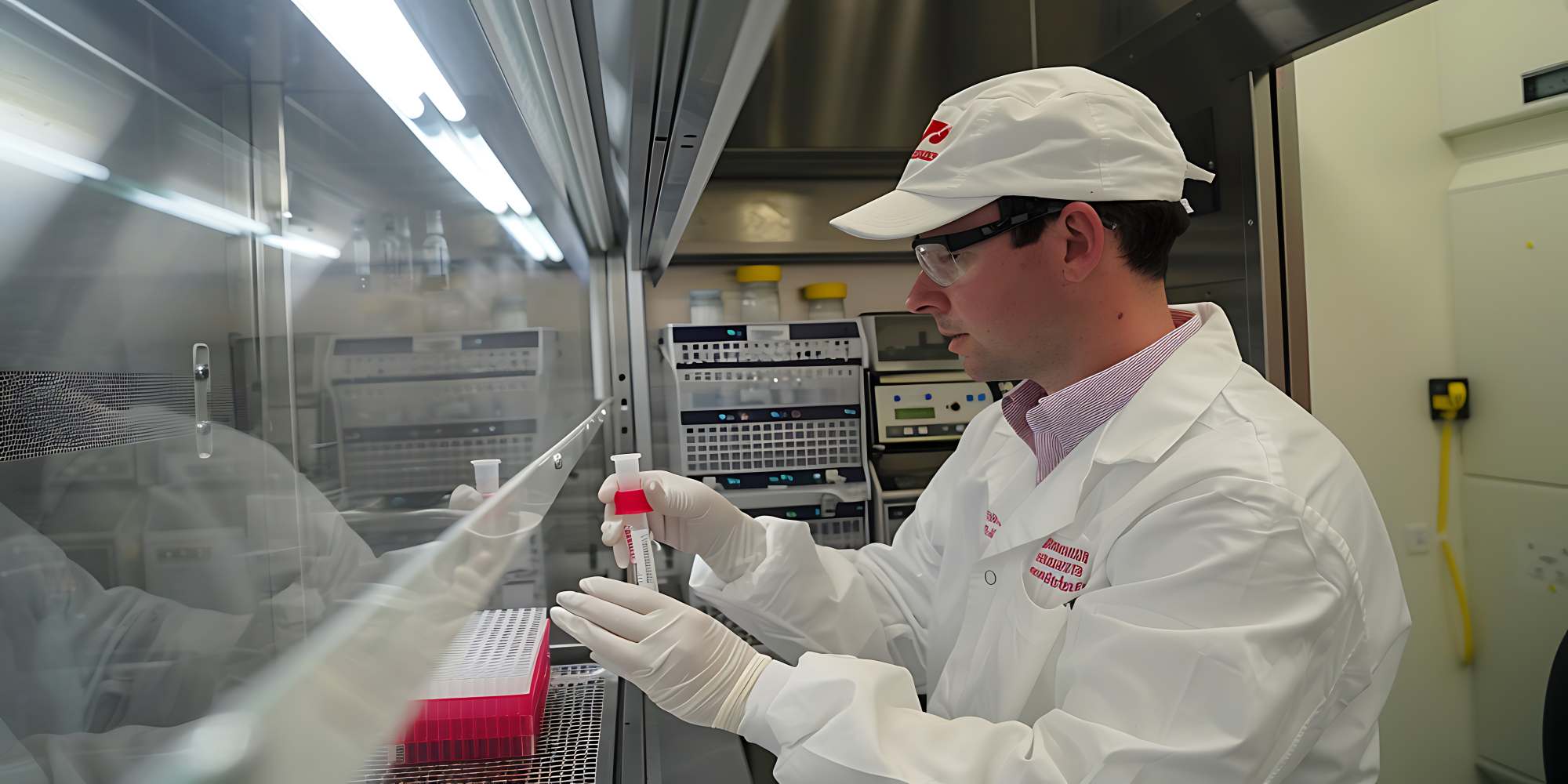
- Why it matters: Medicines, vaccines, and medical devices require stable conditions to remain safe and effective.
- Testing focus: Drug stability under heat and humidity; medical device resilience.
- Outcome: Assurance that products meet regulatory requirements and retain efficacy.
4. Construction and Building Materials
- Why it matters: Materials like cement, paint, plastics, and metals are exposed to Malaysia’s tropical weather.
- Testing focus: Resistance to corrosion, UV damage, and temperature shifts.
- Outcome: More durable infrastructure and safer buildings.


5. Packaging and Consumer Goods
- Why it matters: Packaging must protect goods during storage and transport.
- Testing focus: Performance of packaging under heat, humidity, and pressure, including testing of food packaging for shelf-life and quality.
- Outcome: Products arrive fresh, safe, and undamaged.
6. Renewable Energy (Solar & Wind)
- Why it matters: Solar panels and renewable technologies face continuous outdoor exposure.
- Testing focus: UV, thermal cycling, and weathering durability.
- Outcome: Longer-lasting systems with greater efficiency and ROI.

Benefits of Environmental Chamber Testing
Investing in environmental chamber testing provides multiple advantages for businesses in Malaysia and worldwide:
- Quality Assurance: Products are proven to withstand local and international conditions.
- Regulatory Compliance: Meet ISO, ASTM, and IEC standards.
- Cost Savings: Catch weaknesses early, reducing recalls and warranty claims.
- Market Advantage: Build trust with consumers by offering proven reliability.
- Innovation: Accelerate R&D with faster, more reliable testing data.
Choosing a trusted partner for environmental chamber solutions ensures ongoing support, expertise, and access to a reliable network for your testing needs.
Calibration and Validation of Environmental Chambers
Accurate and reliable environmental testing depends on the precise operation of environmental chambers. That’s why calibration and validation are essential steps in the lifecycle of any environmental test chamber.
Calibration involves fine-tuning the chamber’s temperature, humidity, and atmospheric control systems to ensure they operate within specified limits. This process uses specialised equipment such as thermocouples, hygrometers, and barometers to measure and adjust the chamber’s performance, guaranteeing that the environmental conditions inside the chamber match the set parameters.
Validation goes a step further by verifying that the environmental chamber can consistently simulate the required environmental conditions and deliver accurate, repeatable test results. This often involves running standardised test protocols, such as those outlined in IEC 60068-2-1 and IEC 60068-2-2, to confirm the chamber’s performance under various scenarios.
Regular calibration and validation are crucial for maintaining the reliability of your environmental test results. Over time, even the best equipment can drift from its original settings, so periodic checks help prevent errors and ensure ongoing compliance with international standards.
Many manufacturers and service providers offer professional calibration and validation services, and some can provide certification to standards like ISO 17025 for added assurance.
In addition to these processes, routine maintenance and timely repairs are necessary to keep environmental chambers operating at peak performance. By prioritising calibration and validation, you can trust that your environmental test chamber will provide accurate, reliable data for every test.
Maintenance and Repair: Ensuring Long-Term Performance
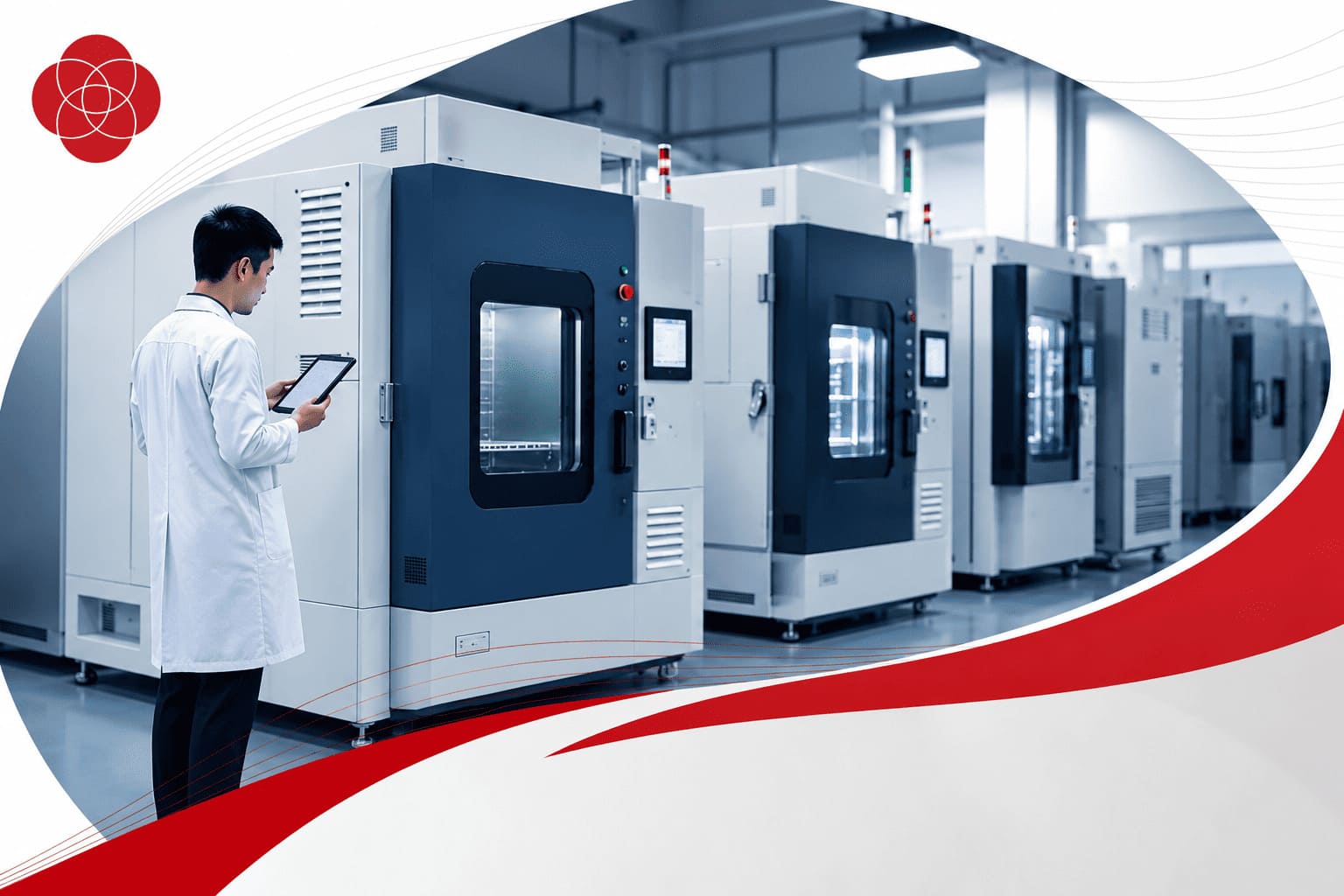
To maximise the lifespan and reliability of your environmental chambers, regular maintenance and timely repairs are essential. Well-maintained environmental test chambers not only deliver accurate and consistent results but also help prevent unexpected downtime and costly repairs.
Routine maintenance tasks include cleaning the chamber interior and exterior, inspecting and replacing worn or damaged components, and checking that all systems, such as temperature and humidity controls, are functioning correctly. These activities help ensure that the chamber continues to provide the precise environmental conditions required for rigorous testing.
When issues do arise, prompt repairs are necessary to restore the chamber’s performance. This may involve replacing faulty parts, upgrading control systems, or making modifications to accommodate new testing requirements. Many environmental chamber manufacturers offer comprehensive maintenance and repair services, as well as training and support to help users perform basic upkeep.
Keeping detailed records of all maintenance and repair activities is also important. This documentation can help identify recurring issues, streamline troubleshooting, and support compliance with quality standards.
For optimal performance, environmental chambers should be serviced regularly ideally every 6 to 12 months. In addition to maintenance and repair, periodic calibration and validation are recommended to ensure ongoing accuracy and reliability.
By following a proactive maintenance and repair schedule, you can extend the life of your environmental test chamber, maintain the integrity of your environmental testing, and ensure your products meet the highest standards of quality and reliability.
6 Tips for Choosing the Right Environmental Chamber
Not all environmental chambers are the same. The right choice depends on your testing needs. Consider the following:

- Type of Conditions: Do you need temperature, humidity, vibration, or corrosion testing? Or do you require a specialised temperature chamber for precise thermal control?
- Size Requirements: From small bench-top units to large walk-in chambers.
- Precision and Range: How extreme are the conditions you need to simulate?
- Compliance Standards: Ensure your chamber meets ISO, ASTM, or IEC requirements. Check that the chamber complies with the relevant standard for your industry.
- After-Sales Support: Reliable calibration, servicing, and spare parts are essential for long-term use.
- Customised Solutions: Consider whether you need a customised chamber to meet unique testing requirements or space constraints.


You can learn more about MS-88 International’s full range of products here.
Why MS-88 International?
At MS-88 International, we specialise in providing high-quality environmental chamber solutions tailored to diverse industries in Malaysia. Whether you’re in electronics, automotive, pharmaceuticals, or construction, we offer reliable chambers designed to deliver precise, repeatable results.
Our expertise includes:
- Consultation to identify the right chamber for your business.
- Equipment that complies with international standards.
- After-sales support, calibration, and maintenance services.
With MS-88 International, you’re investing in long-term reliability and product success.
Ensuring Your Product’s Reliability is Non-Negotiable
In Malaysia’s demanding climate and competitive industries, ensuring product reliability is non-negotiable. An environmental chamber solution in Malaysia allows businesses to simulate real-world conditions, uncover potential weaknesses, and meet both local and international standards.
From electronics to pharmaceuticals and beyond, the applications are vast and the benefits are undeniable.
If you’re ready to enhance your testing capabilities, just talk to us and we’ll guide you toward the right environmental chamber for your needs.
FAQ: Environmental Chamber Malaysia
1. What industries use environmental chambers?
Industries such as electronics, automotive, aerospace, pharmaceuticals, construction, and renewable energy commonly use environmental chambers for product reliability testing.
2. How much does an environmental chamber cost in Malaysia?
The price varies depending on size, features, and testing capabilities. Small bench-top units may cost a few thousand ringgit, while advanced walk-in chambers can cost significantly more.
3. What conditions can an environmental chamber simulate?
These chambers can replicate temperature extremes, humidity, salt spray, vibration, UV exposure, and even combined stress environments.
4. Do environmental chambers meet international standards?
Yes. Reputable environmental chamber suppliers in Malaysia provide chambers that meet ISO, ASTM, and IEC standards to ensure compliance and reliability.
5. How do I choose the right chamber for my business?
It depends on your testing needs, product type, and compliance requirements. Consulting with a trusted supplier like MS-88 International ensures you get the right fit.