Skip to content
Introduction
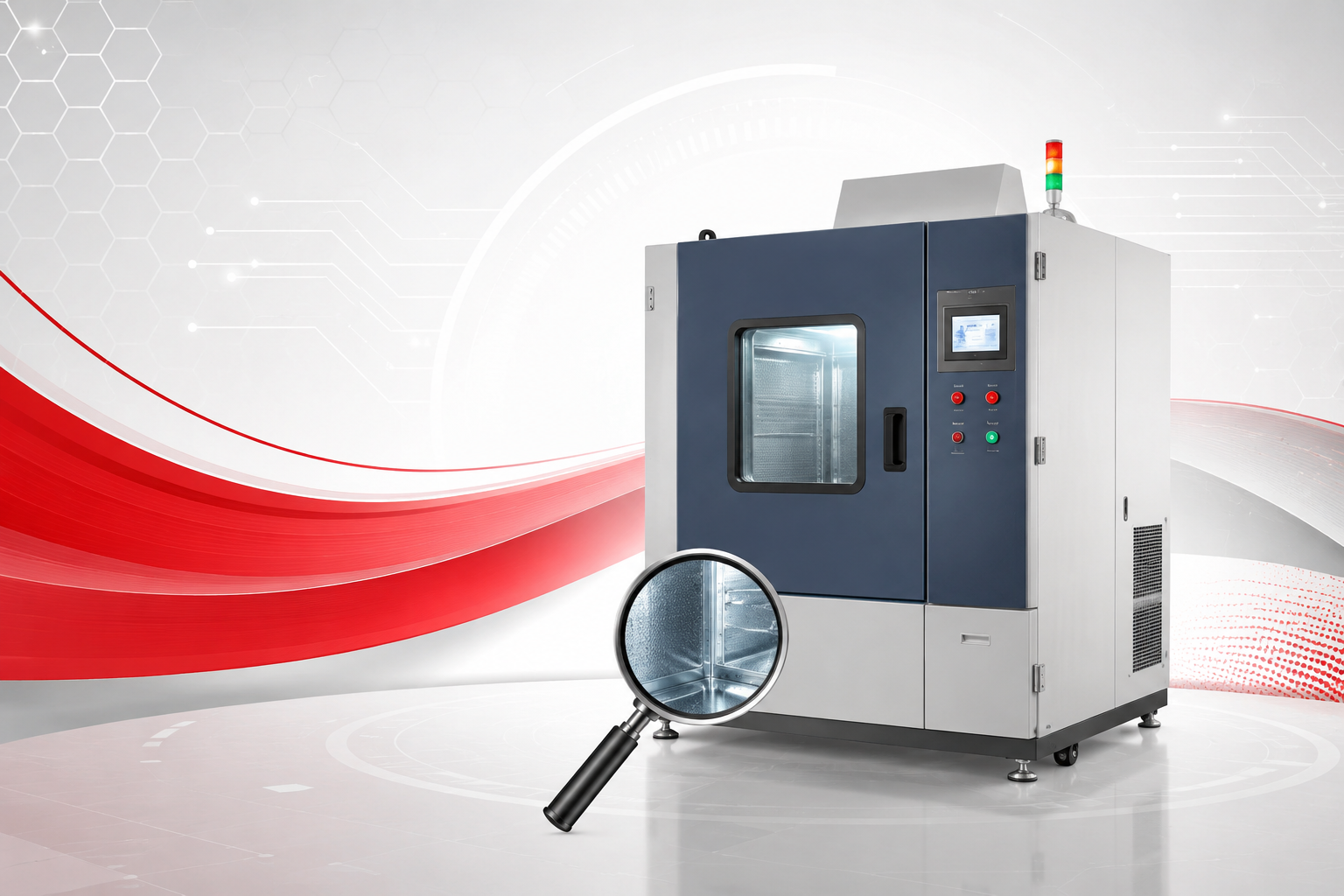
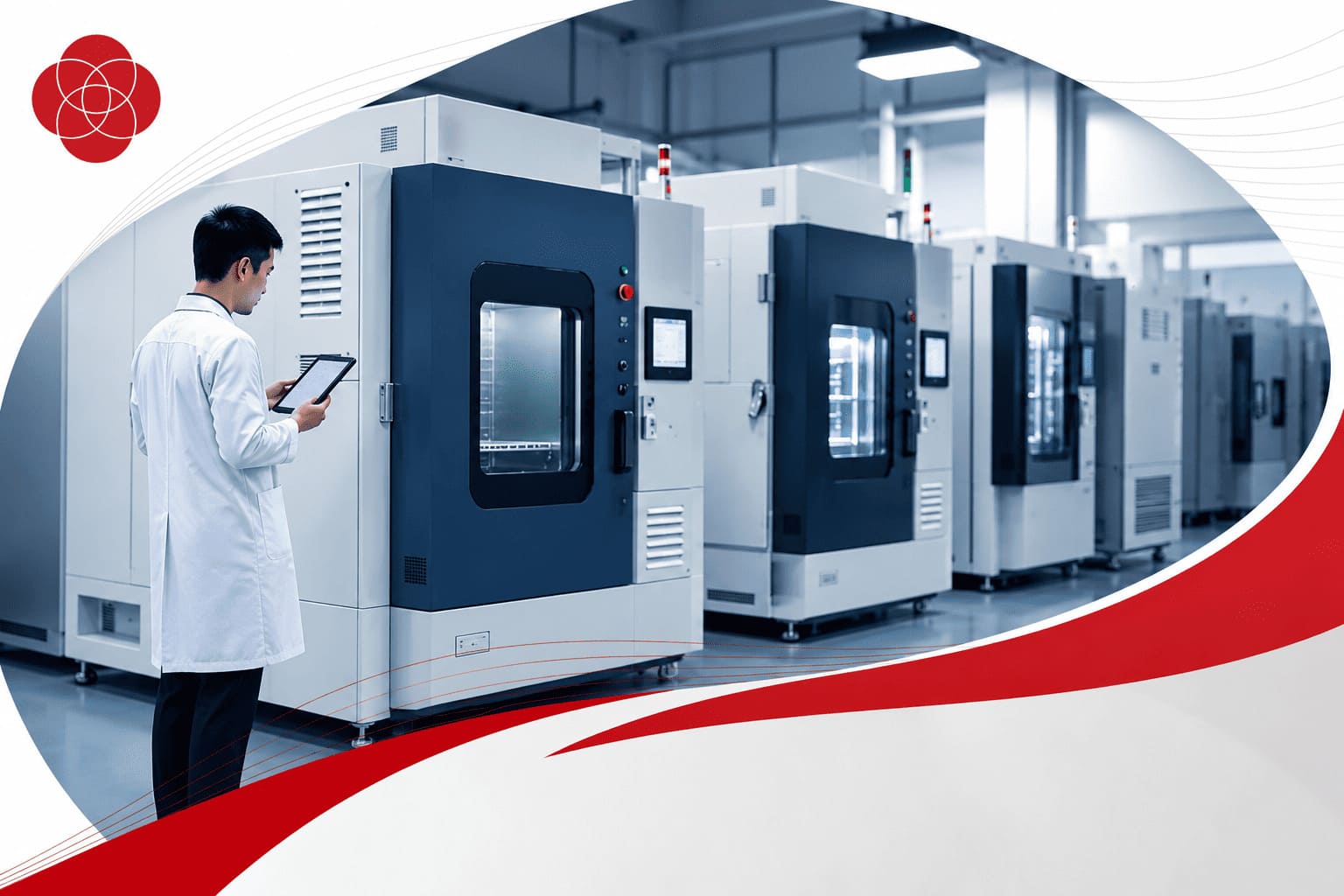
A test chamber is a specialized testing system designed to simulate various environmental conditions to evaluate the performance, durability, and reliability of products. Test chambers are widely used in industries such as electronics, automotive, aerospace, medical devices, manufacturing, and research laboratories.
By exposing products to controlled conditions such as temperature, humidity, thermal shock, dust, rain, and corrosion, a test chamber helps manufacturers identify potential failures before products reach the market.
Why Are Test Chambers Important?
Modern products are expected to perform reliably in different environmental conditions. A test chamber allows manufacturers to evaluate how products respond to extreme temperatures, humidity changes, and other environmental factors.
The benefits of using a test chamber include:
- Improved product reliability
- Enhanced quality assurance
- Reduced product failures
- Support for certification requirements
- Faster product development
- Increased customer confidence
Products are then tested under these conditions to determine whether they meet performance and reliability standards.
Common Types of Test Chambers
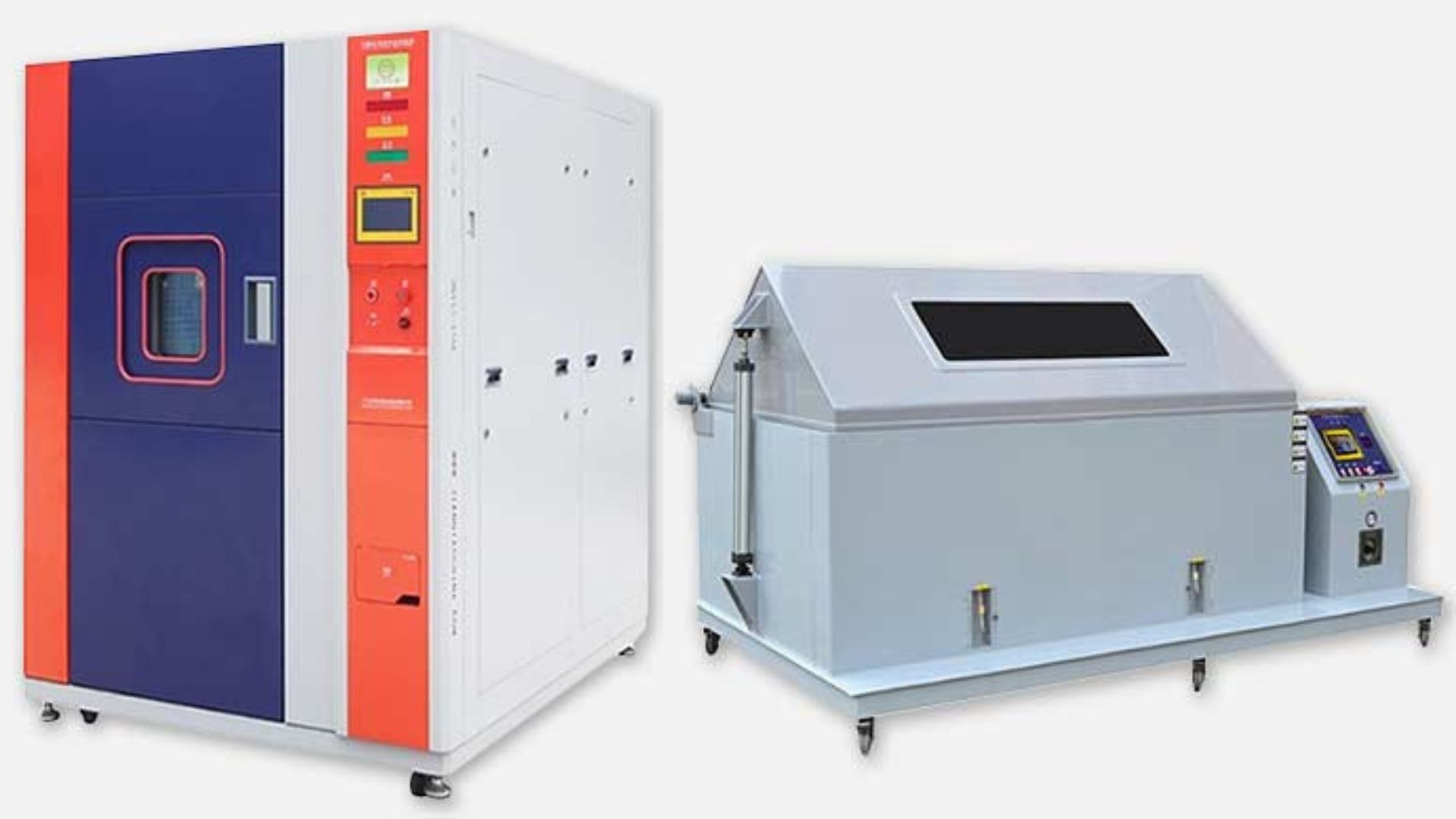
🌡️ Temperature & Humidity Test Chamber
Evaluates product performance under controlled temperature and humidity conditions. Widely used for electronics, medical devices, batteries, and consumer products.
⚡ Thermal Shock Test Chamber
Rapidly transfers products between hot and cold environments to identify material weaknesses and reliability issues.
🏭 Walk-In Test Chamber
Designed for large products or multiple test samples. Commonly used in automotive, aerospace, and industrial testing.
🧂 Salt Spray Test Chamber
Evaluates corrosion resistance by exposing products to a controlled salt mist environment.
🌧️ Dust & Rain Test Chamber
Simulates outdoor environmental conditions to verify product durability and ingress protection performance.
A test chamber plays a critical role in product development, quality assurance, and reliability testing. Whether testing electronics, automotive components, medical devices, or industrial products, test chambers help manufacturers ensure products can withstand real-world environmental conditions.
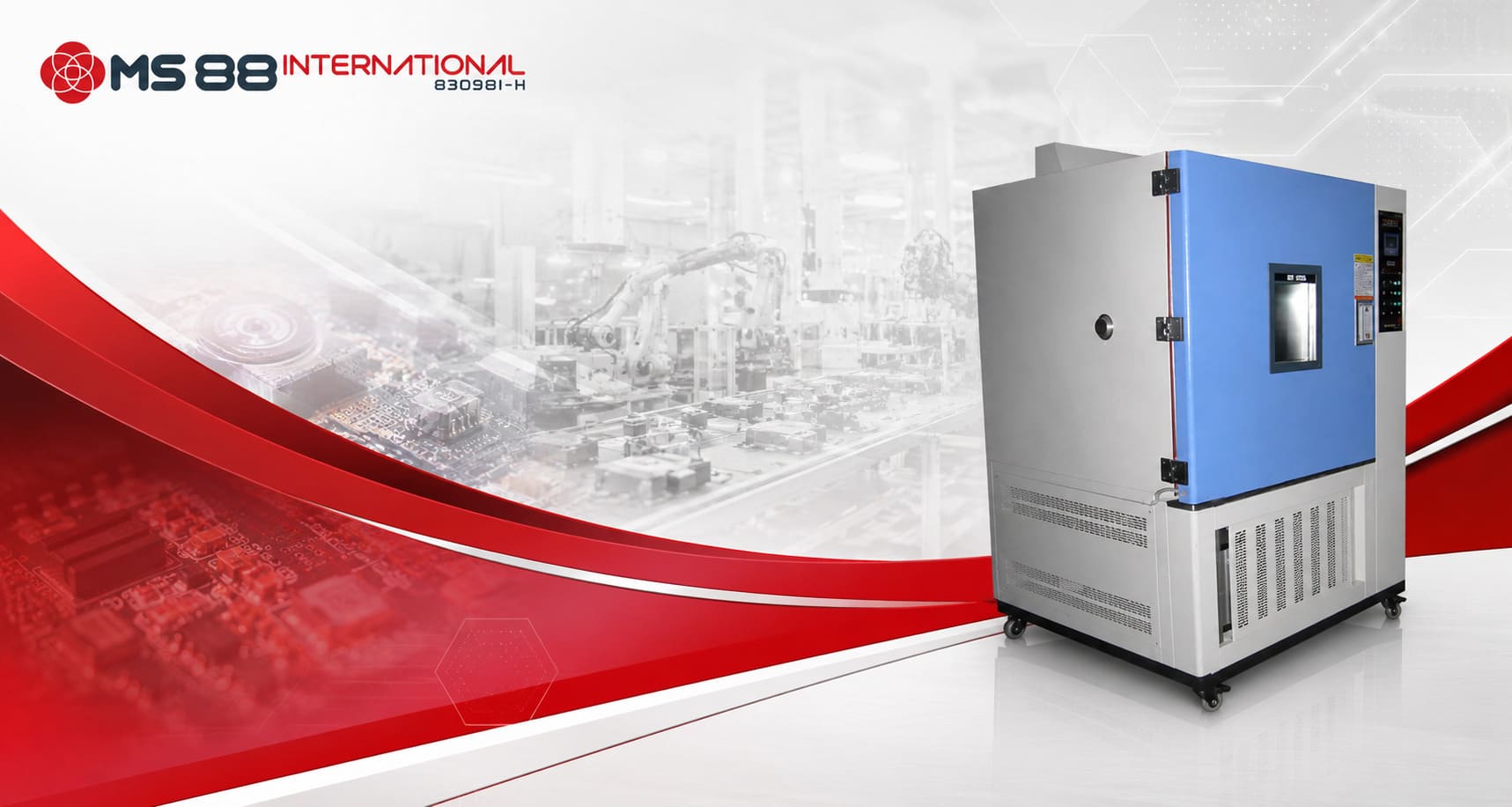
MS88 International provides a comprehensive range of test chamber solutions, including temperature and humidity chambers, thermal shock chambers, walk-in chambers, and customized environmental testing systems to support various testing requirements.
Test Chambers and Product Certification
Many certification processes require environmental testing to verify product performance and reliability. Test chambers help manufacturers conduct testing that supports compliance with industry standards and customer requirements.
Environmental testing may be used during:
- Product qualification
- Reliability testing
- Compliance verification
- Product certification programs
Choosing the Right Test Chamber
When selecting a test chamber, consider:
- Product size
- Temperature range
- Humidity requirements
- Testing standards
- Industry applications
- Future testing needs
Choosing the correct test chamber can improve testing efficiency and ensure accurate test results.
Electronics Industry
Verify the reliability of circuit boards, semiconductors, sensors, batteries, and electronic components.
Automotive Industry
Evaluate vehicle components under extreme temperature, humidity, vibration, and weather conditions.
Medical Devices
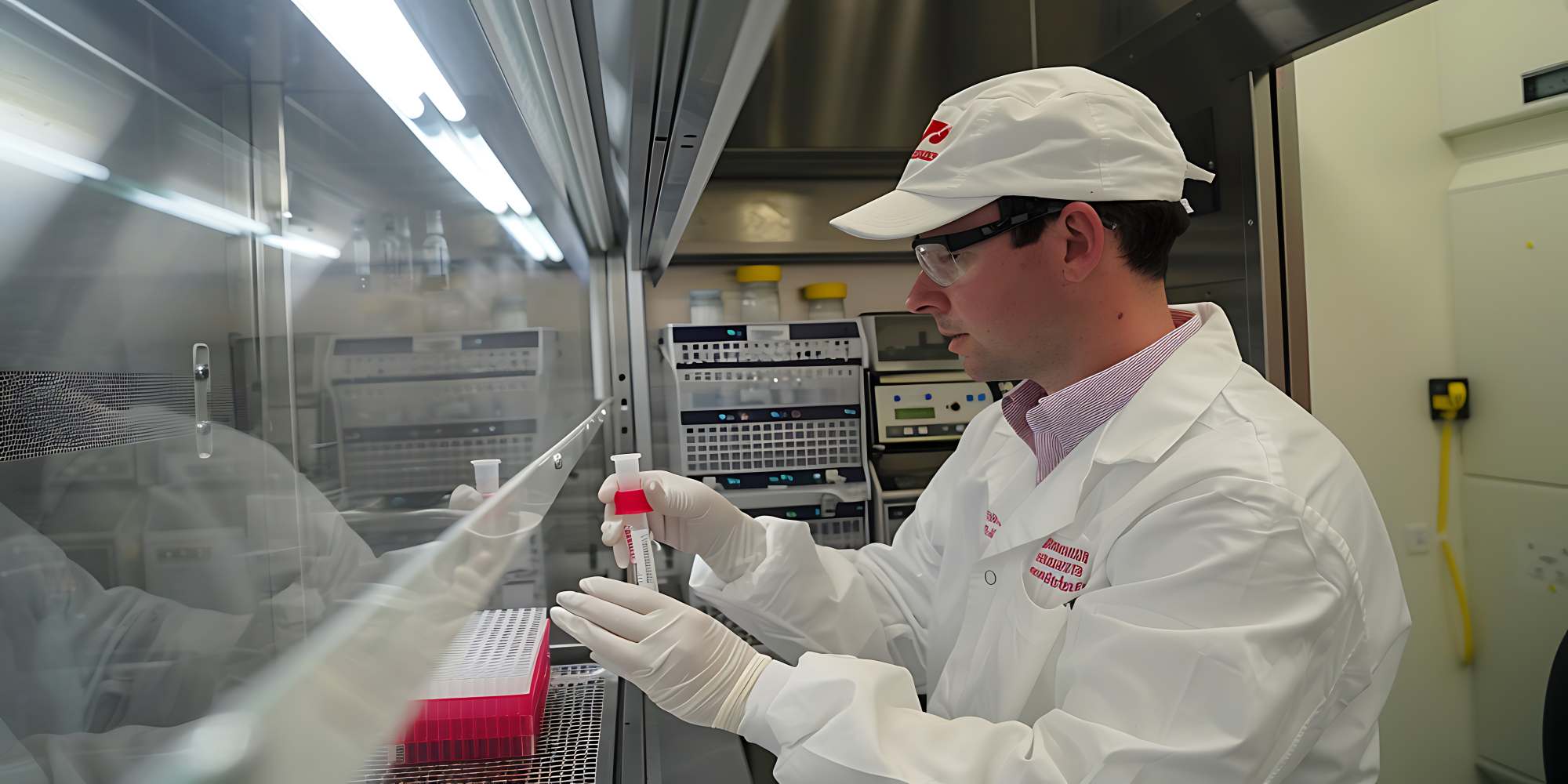
Ensure medical products meet strict quality, performance, and reliability requirements.
Aerospace Industry
Validate equipment performance under harsh environmental and operational conditions.
What is a test chamber used for?
A test chamber is used to simulate environmental conditions such as temperature, humidity, thermal shock, dust, and corrosion to evaluate product performance and reliability.
What industries use test chambers?
Industries including electronics, automotive, aerospace, medical devices, manufacturing, and research laboratories use test chambers for environmental testing.
Why is environmental testing important?
Environmental testing helps identify potential product failures, improve reliability, support certification requirements, and ensure product quality.